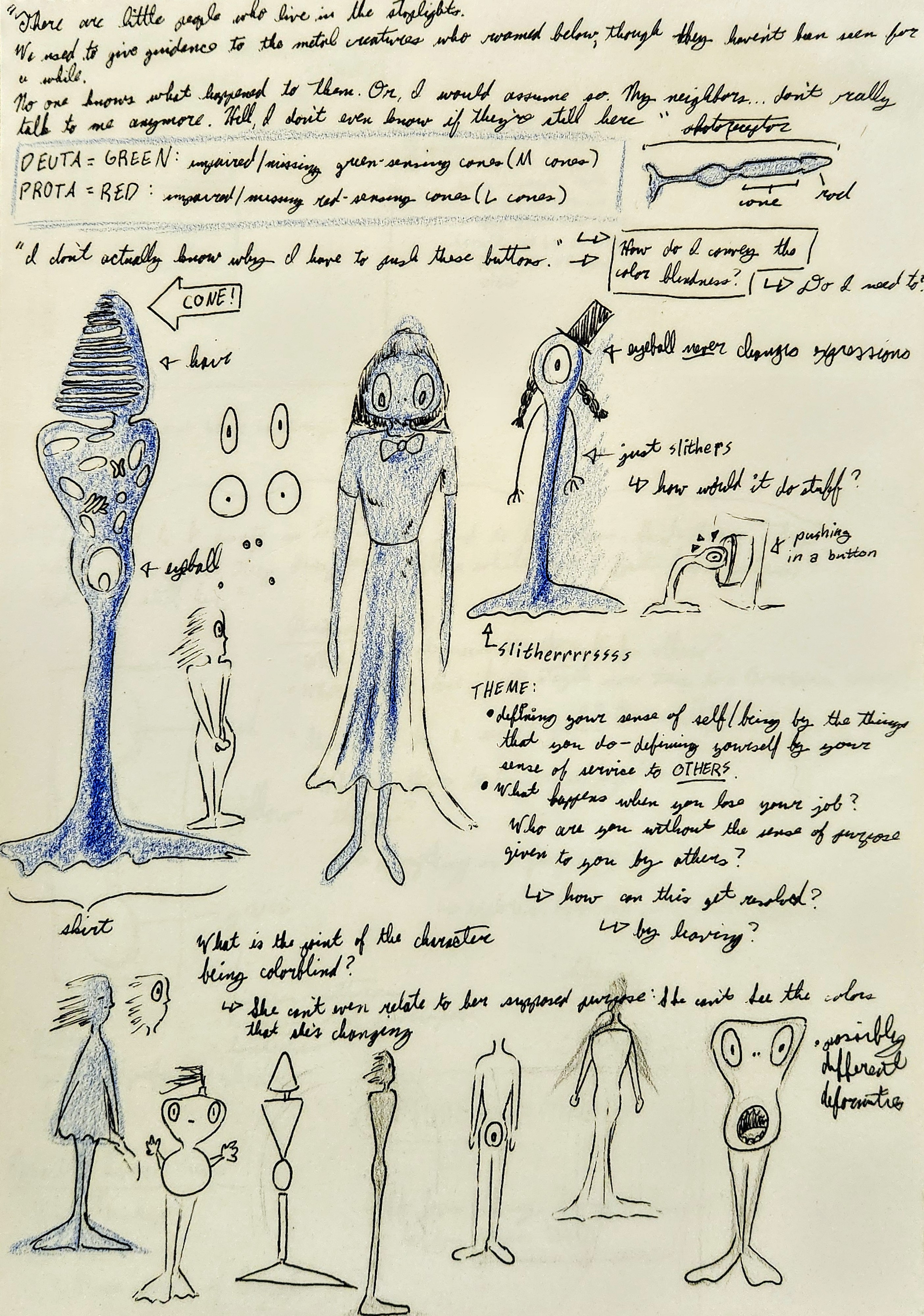
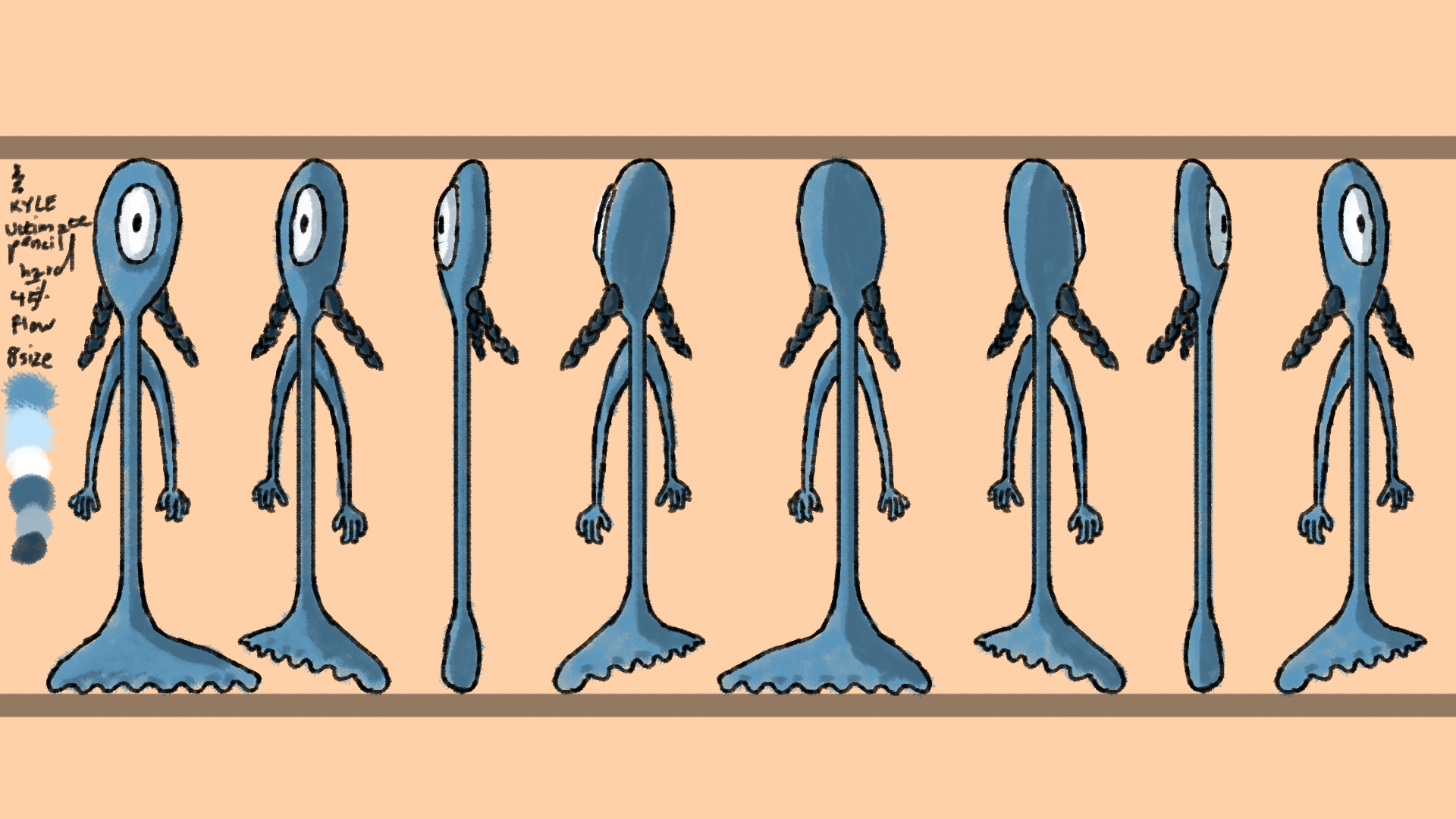
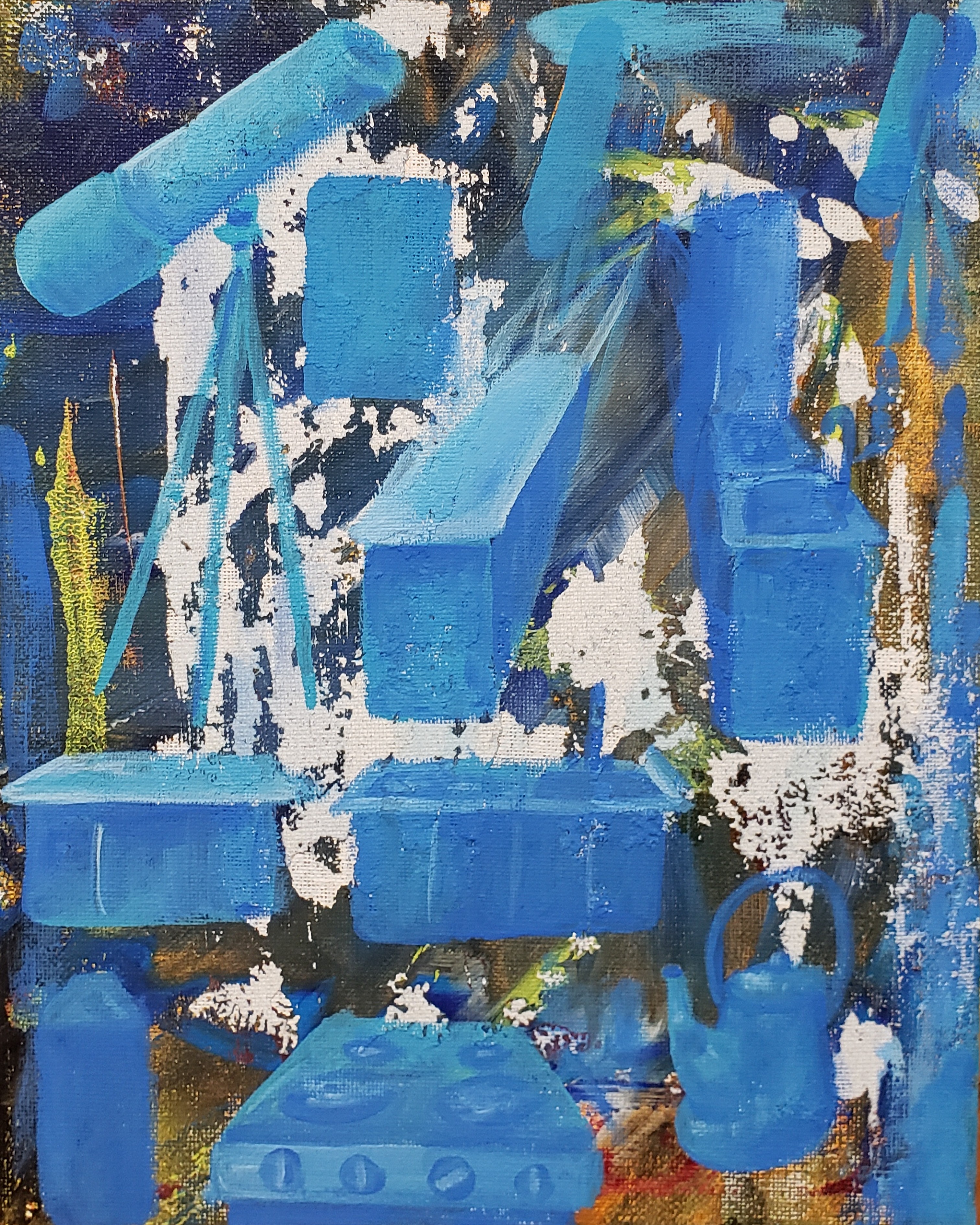
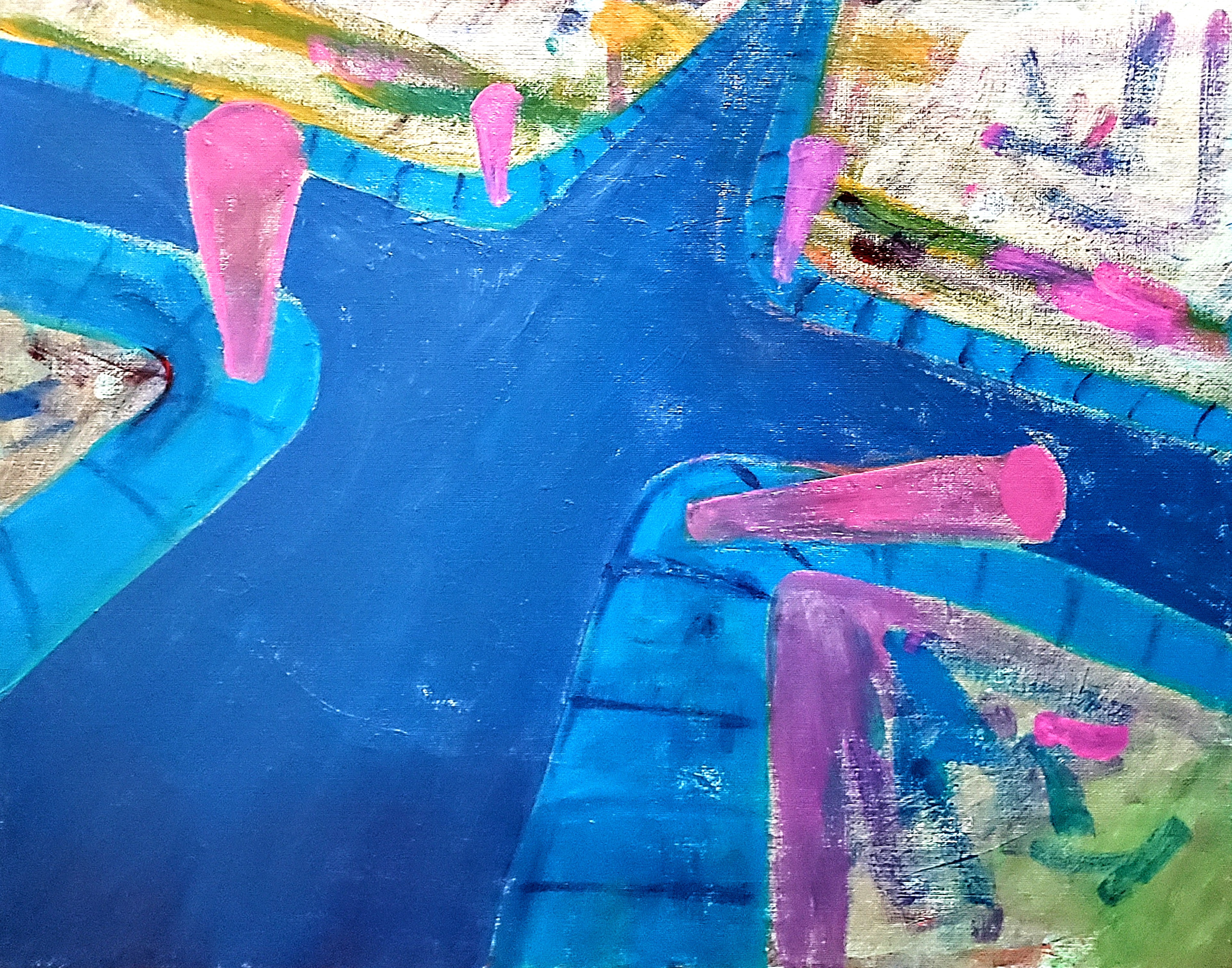
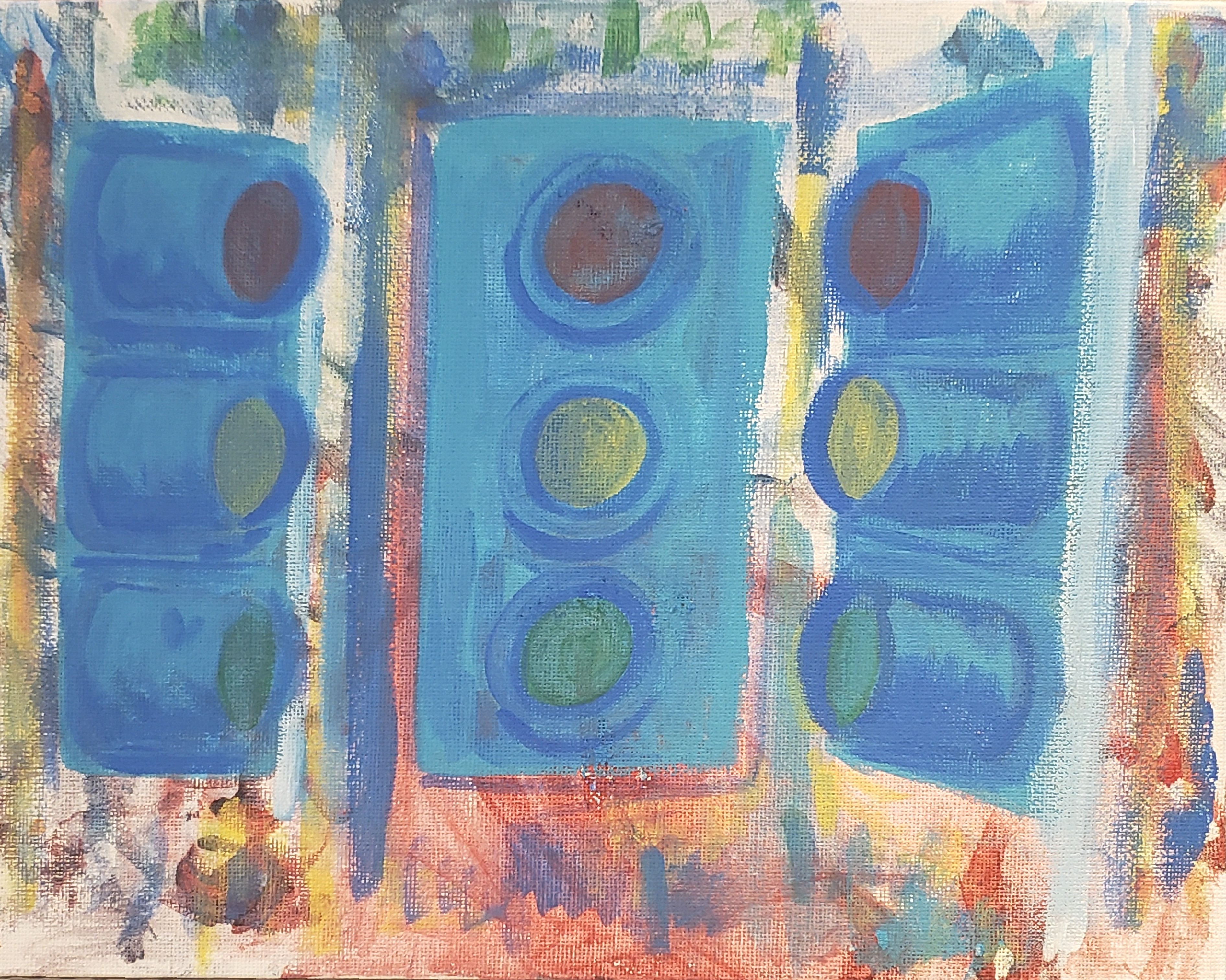
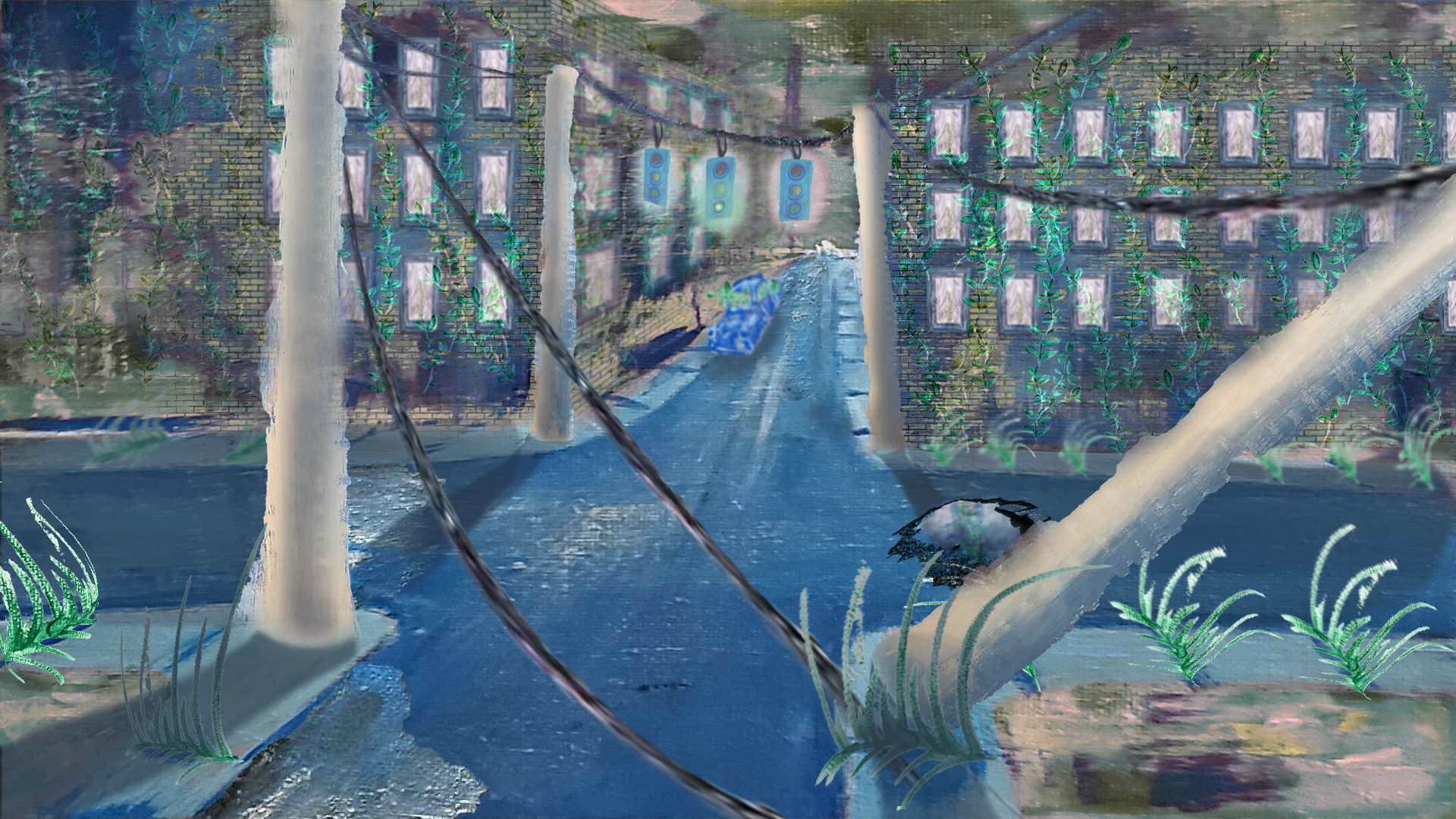
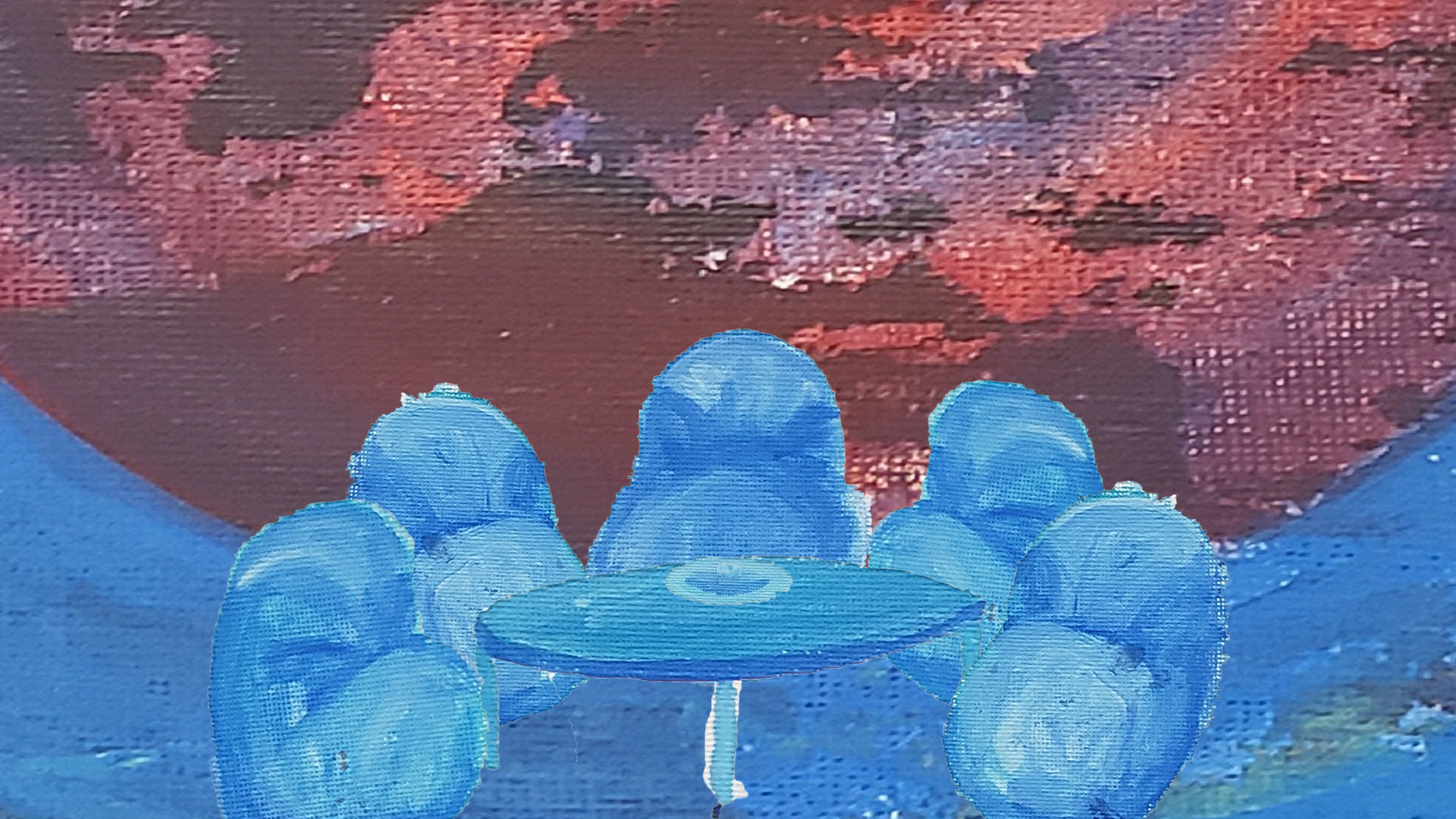
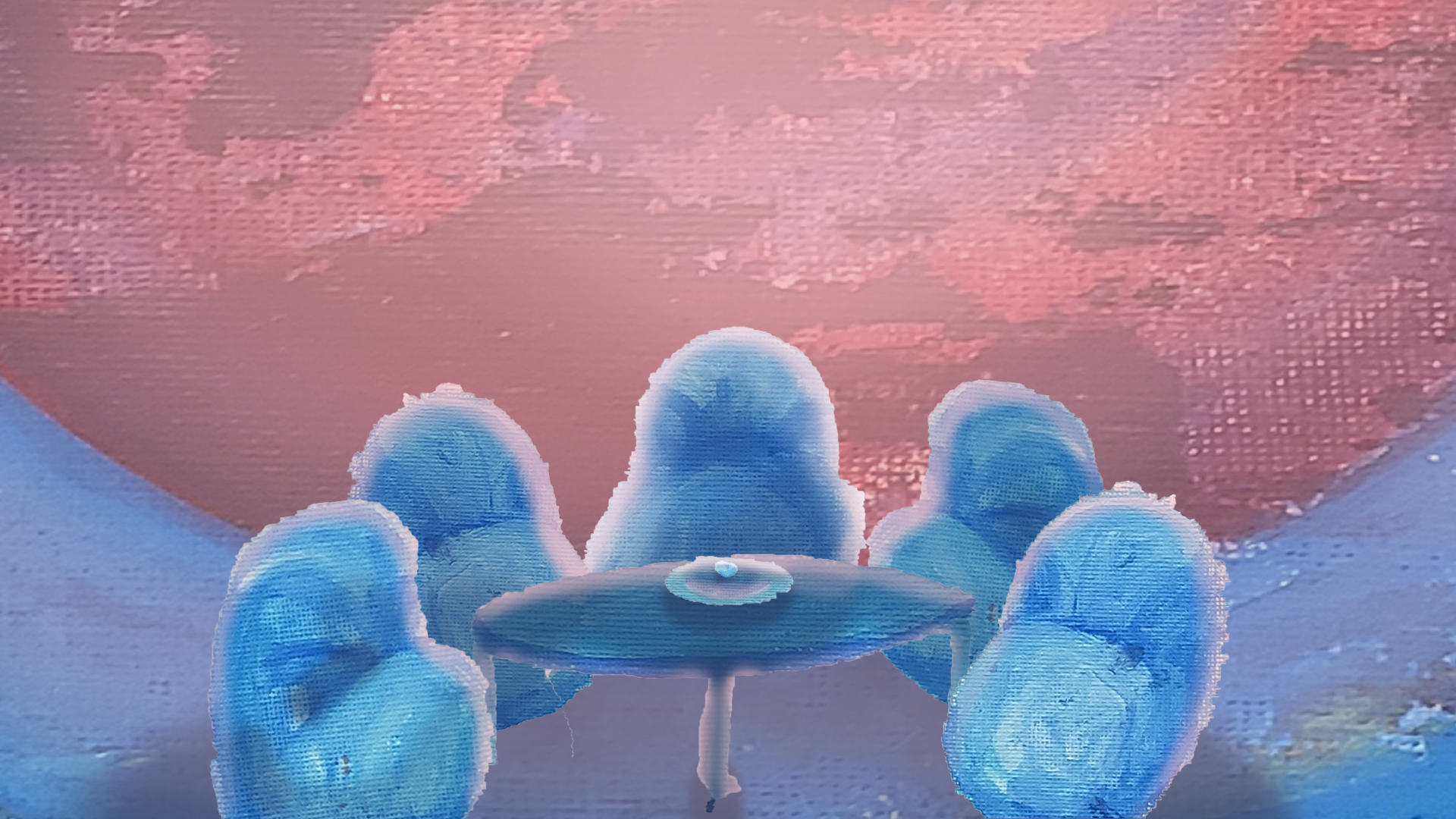
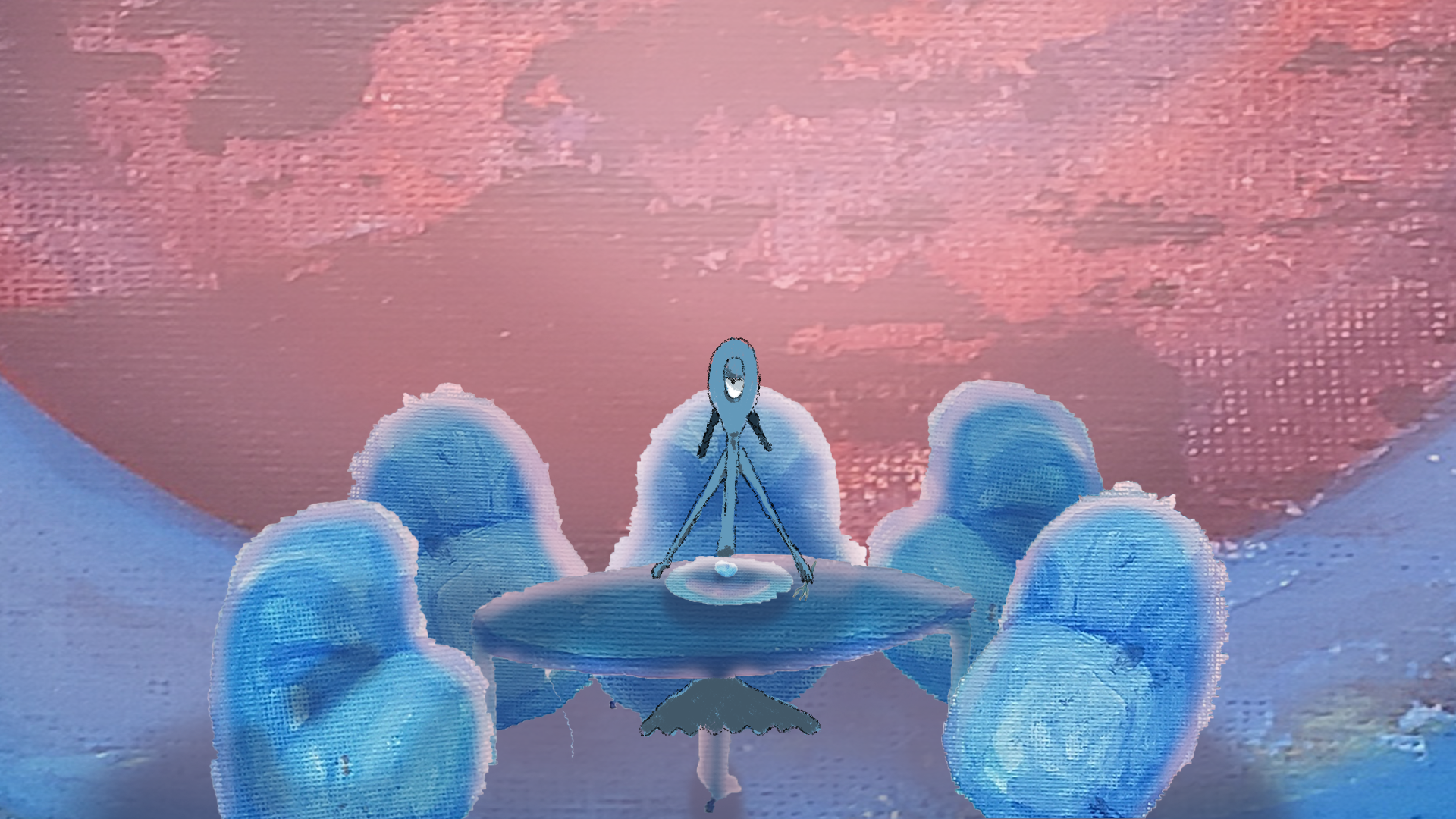
The narrative concept of No Turn on Red sprung into existence about a year before I even started thinking about my thesis. I was going through an art block and just had the urge to create something, so as I walked down street of my city-based university campus, I thought, "I will create a story based on the very next thing I look at." And lo and behold, I was at a crosswalk and looked up at the traffic lights hanging above.
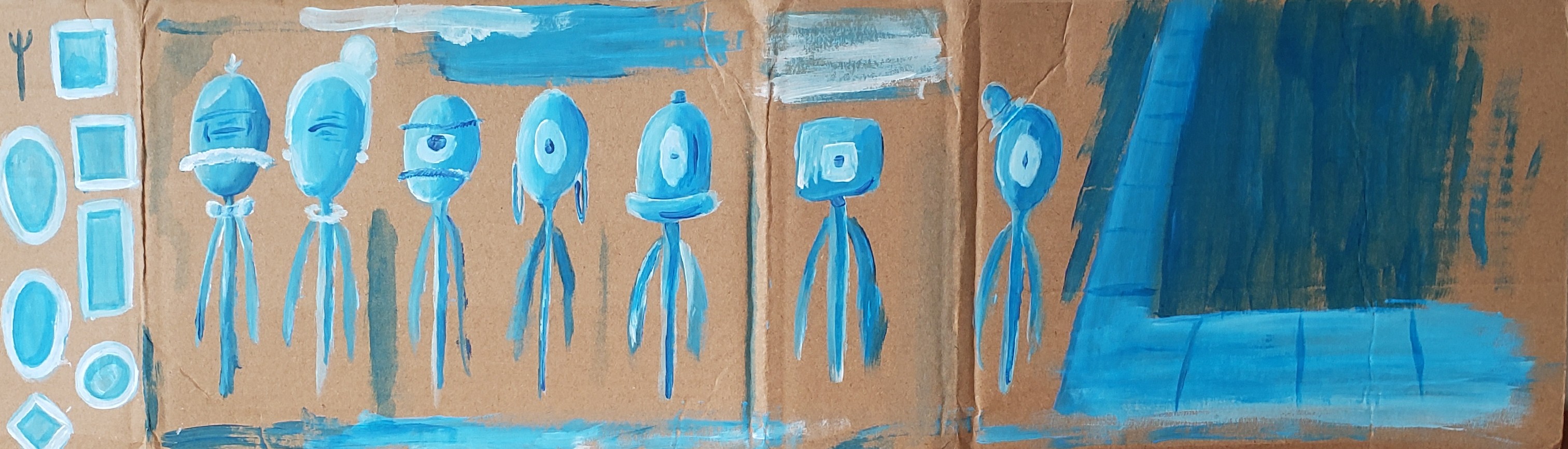
What on earth could I do with traffic lights? I've always adored miniatures, especially as a child when my imagination could roam free. It felt inevitable that I would one day find obsession in the creativity and resourcefulness of The Borrowers and have that world stick with me all these years later. As such, it seemed only natural that my next thought would be, "What if there were little people living in the stoplights?"
And so the idea had stuck with me, marinating, until the time came for my senior thesis. Initially, whenever I thought and pondered and dreamed of this story, I imagined something a lot more fun and easy-going, simply exploring the world-building and implications of these creatures living in and controlling our traffic lights: Maybe the wires could act as miniature roads that the creatures could use to travel. The poles could contain elevators. What if each individual light contained an entire city of people?
However, I realized that I did want to tell a story.
Throughout my undergraduate experience, I found solace in exploring the concept of identity. In any aspect that I could. Whether that be as lost 20-something-year-old unsure of what she would make of her life, a Chinese-American with heavily Westernized values, or as an individual who couldn't see her purpose outside of how she served others. As such, it seemed only fitting that I combine this exploration with this concept that has been stuck in my brain for so long, using this as an opportunity to focus on my latest existential crisis: identity as it relates to my sense of obligation to my heritage and my sense of purpose in society.
Much of my research for this concept was simply reflecting on my own identity: How do I react to the relationships in my life and how do I allow them to define my self-perception?
Once I had these ponderings and questions laid out for me, I could begin to develop a script and story. And although I was at first unsure of how to portray this concept of identity and meld it with this world, I knew what to do once the question entered my mind, "What if this took place during the apocalypse?"
From there, everything seemed to fall into place.